
Ink
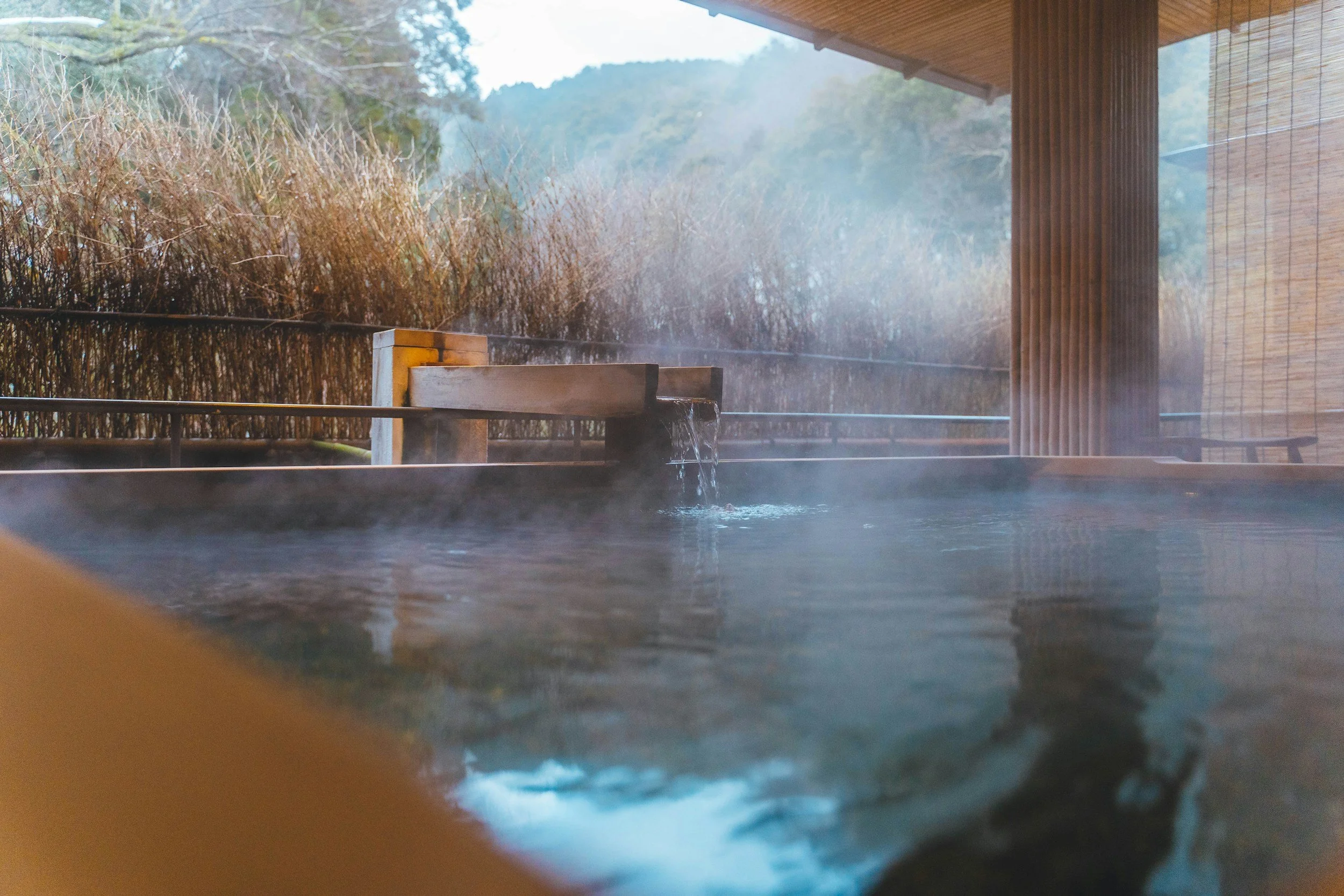
Onsen. If you know, you know. For me, onsen is the single best thing about Japan. And that is saying something. Of the myriad joys the country offers, this ancient bathing ritual is the pinnacle.
Japan is blessed with natural hot springs, many of which are as old as Japan itself. I'm talking 3,000 years. There are over 20,000 hot spring sources in around 3,000 dedicated onsen areas, such is their significance to the country. Originally used by emperors for spiritual purification, onsen later served samurai after battle to heal their wounds. In their many forms, some attached outside to nature, others internal, act as retreats for wellness.
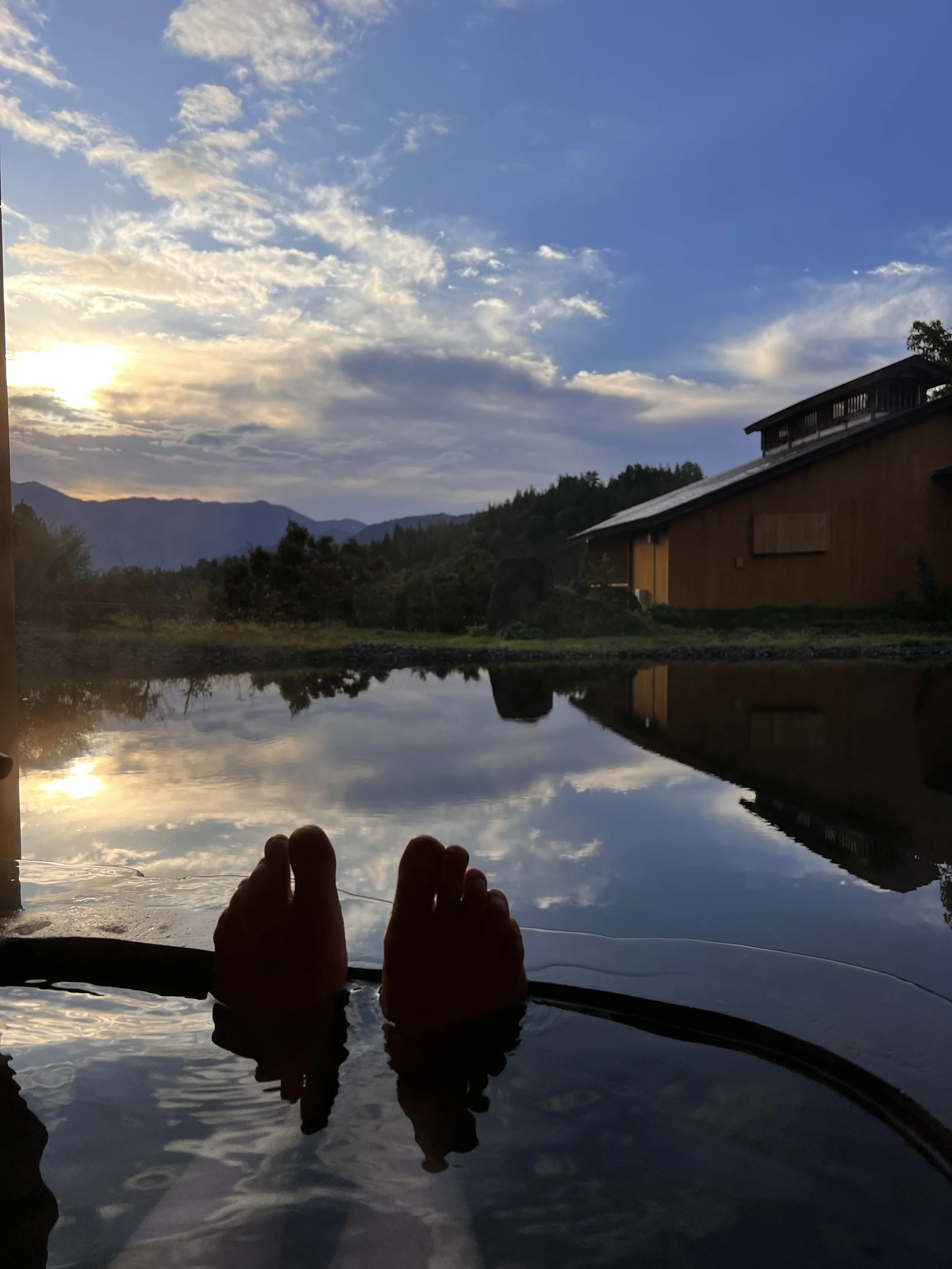
Personal onsen bathing at the exquisite Satoyama Jujo, Niigata
I can testify to that wellness. Japan's volcanic geography ensures the waters are heated naturally by geothermic forces. The water bubbles from the the ground filling pools with their healing powers. The therapeutic benefits of onsen bathing are proven. I have felt this firsthand with my ailments, stiffness and tight muscles all relieved by a 20-minute soak in 40 - 42 degree celcius temperatures.
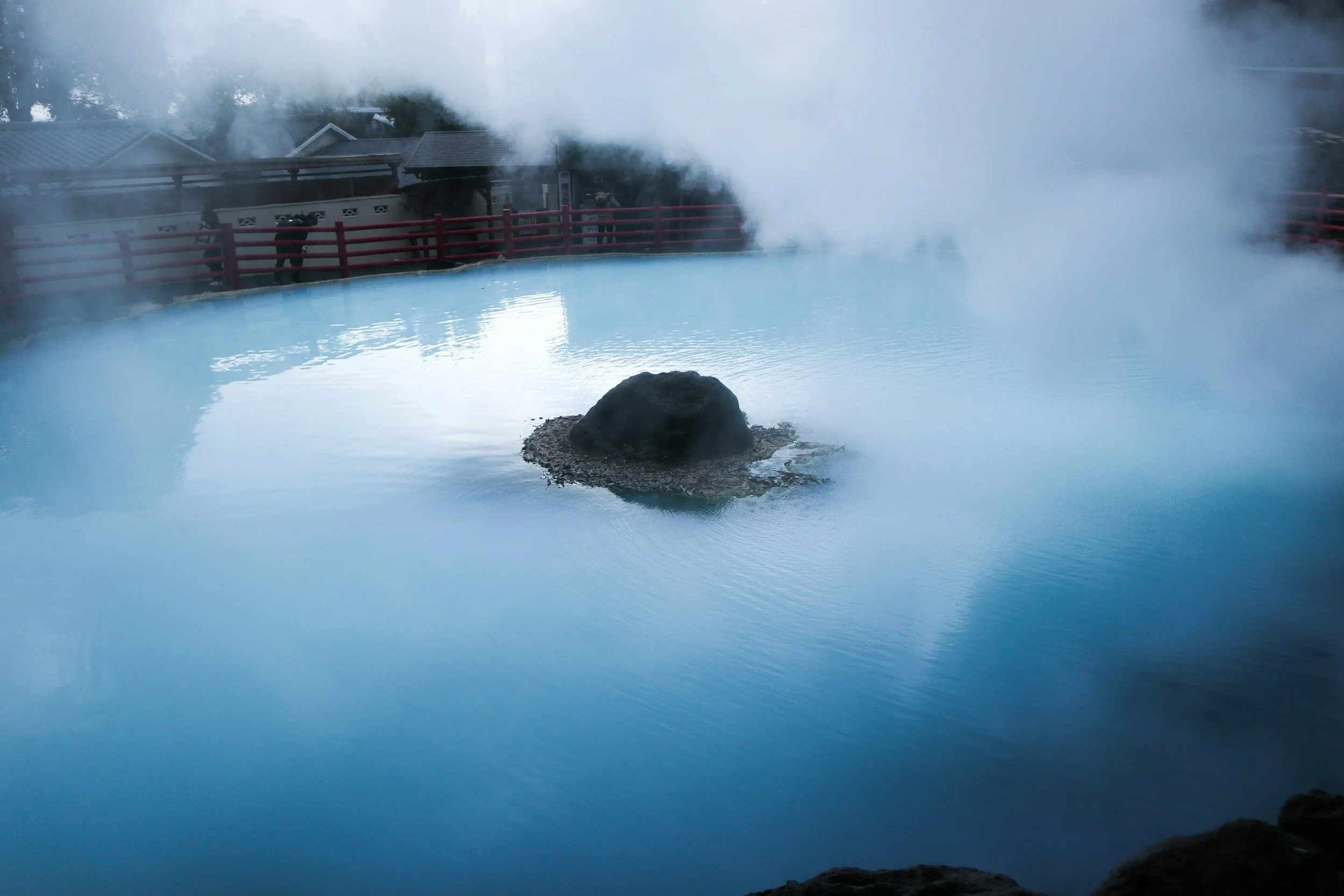
I cannot imagine travelling to Japan without multiple visits to an onsen. They, coupled with the remarkable healthy food produce, provide me with obvious benefits where I feel better physically and mentally more than anywhere else on earth.
I'm not here to give you a history lesson on onsen, you can look all that up if you so choose. This is a dive into that mysterious onsen rule that a certain, decorated part of the population are not allowed to partake. those poor souls who have chosen to ink themselves, destined to never experience this unrivalled bathing ritual which is so endemic to Japan.
It is quite a fascinating story. To explore further, we need to travel way, way back. Tattoos in their many forms have been around since ancient times. In Japan, the Edo period (1603 – 1868) saw tattoos as decorative body art amongst firefighters, courtesans, artisans and rogue adventurers. In the late Edo period, there were tattoo punishments for criminals, which really was the beginning of the stigma against the art.
As crime increased in expanding urban areas, punishment by carving characters or lines into a criminal's arm became very common. Various areas produced different markings, but all were in positions which left a forever mark and made social exclusion visible. The marks served to permanently advertise a person's criminal record to all others around them. At the time, tattoos became a symbol of popular culture, thus the differing images of "fashionable decoration" and "the mark of a criminal" existed side by side.
In the Meiji era (1868 – 1912), tattoos became regarded as an uncivilised custom in the eyes of Western civilization, which the government was eager to adopt, so they were made subject to regulation. In 1872, tattoos were banned outright.
The ban continued until 1948, after WWII. However, tattoos negative image remained. They became strongly tied with organised crime and anti-social groups. This quickly led to blanket bans in onsen across the country.
Yakuza (Japanese mafia) have been involved in violent incidents at onsens, predominantly through gangland shootings and turf wars. Hot spring resorts have been the settings for targeted yakuza attacks. For example, in 2015, a gang member was fatally shot in a Nagano onsen parking lot during a dispute between rival factions. While the presence of gang members historically caused unease, many bathers who have encountered yakuza in community baths (where permitted) agree that they typically just mind their own business to avoid unwanted police attention.
Instead of deciding whether a tattoo is cultural, religious, decorative or linked to crime, it was easier for Japan to adopt this uniform no-tattoo rule. The ban became part of the etiquette of onsen bathing. The thought is that preserving a communal space underlies the response to inked skin. That onsen baths are entered completely nude also makes people more sensitive to visible appearance.
Recently, attitude to tatts are slowly changing. There is a broader understanding of culture in many circles, and the huge increase of tourism has made the ban wane. There are warranted concerns that the blanket bans interfere with one of Japan's most popular and cultural travel experiences.
The thought by many that tattoos are a hygiene issue is not grounded in fact. Measures were introduced in various onsen such as covering tattoos with stickers, shifting bathing times and introducing private baths for inked patrons. The final decision is left for each facility to choose. Long standing customs take far longer to shift in Japan. For onsen, it is the result of how each public bath is operated, combined with lingering images from the past.
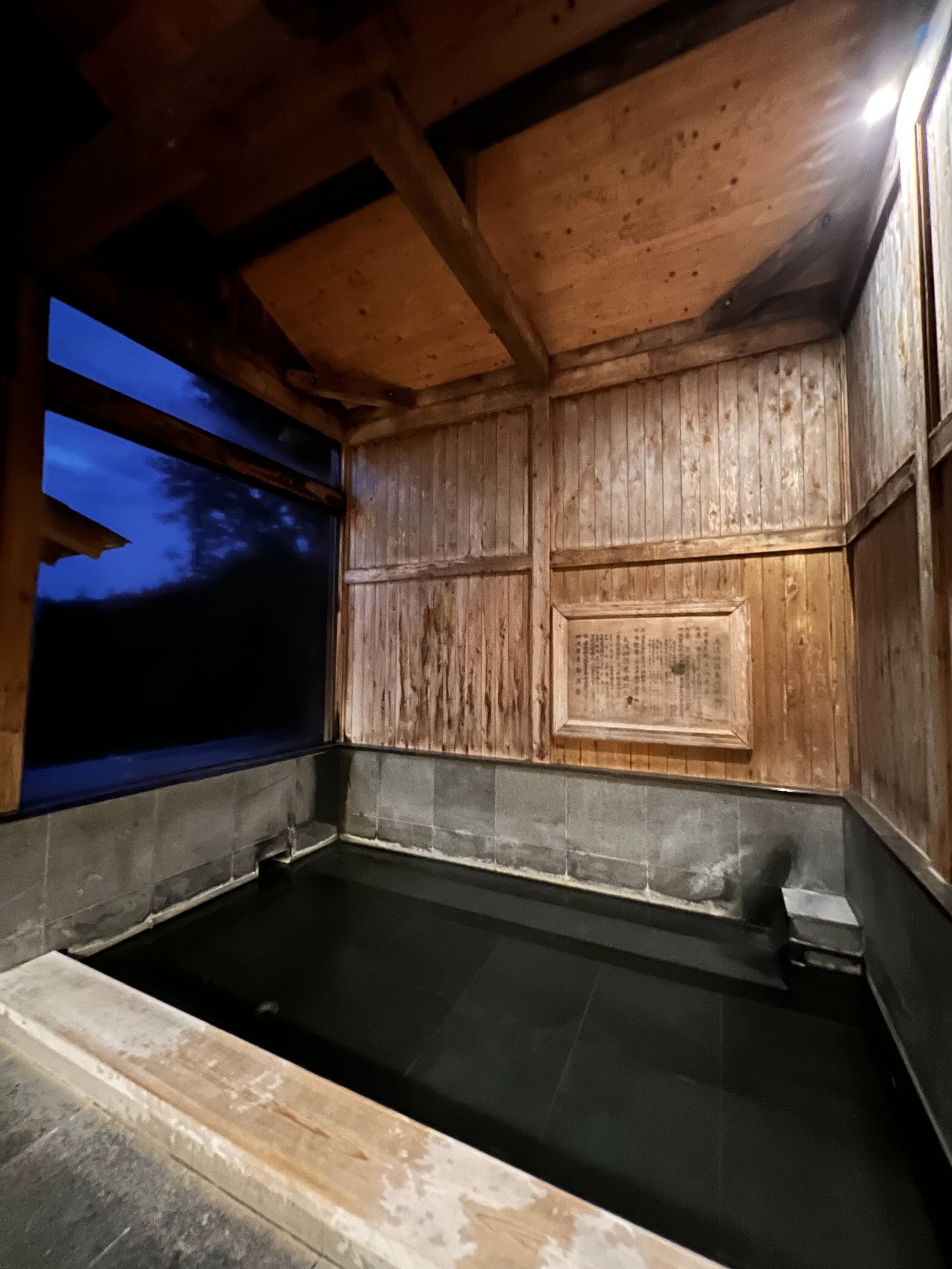
Indoor onsen at Satoyama Jujo, Niigata
Tattoos are so prolific across all facets of society. Either you are a fan, or you are not. Beauty is in the eye of the beholder. A tattooed individual covered head to toe with disconnected, random ink is not a sight I personally like.
It must be awful to realise that you are locked out of enjoying the cultural wonder and sheer bliss of onsen. Personally, it would be enough for me to have any ink removed from my body. Some heavily tattooed individuals appear less than savoury, so I am glad not to have to look at them in the serene atmosphere that an onsen provides.
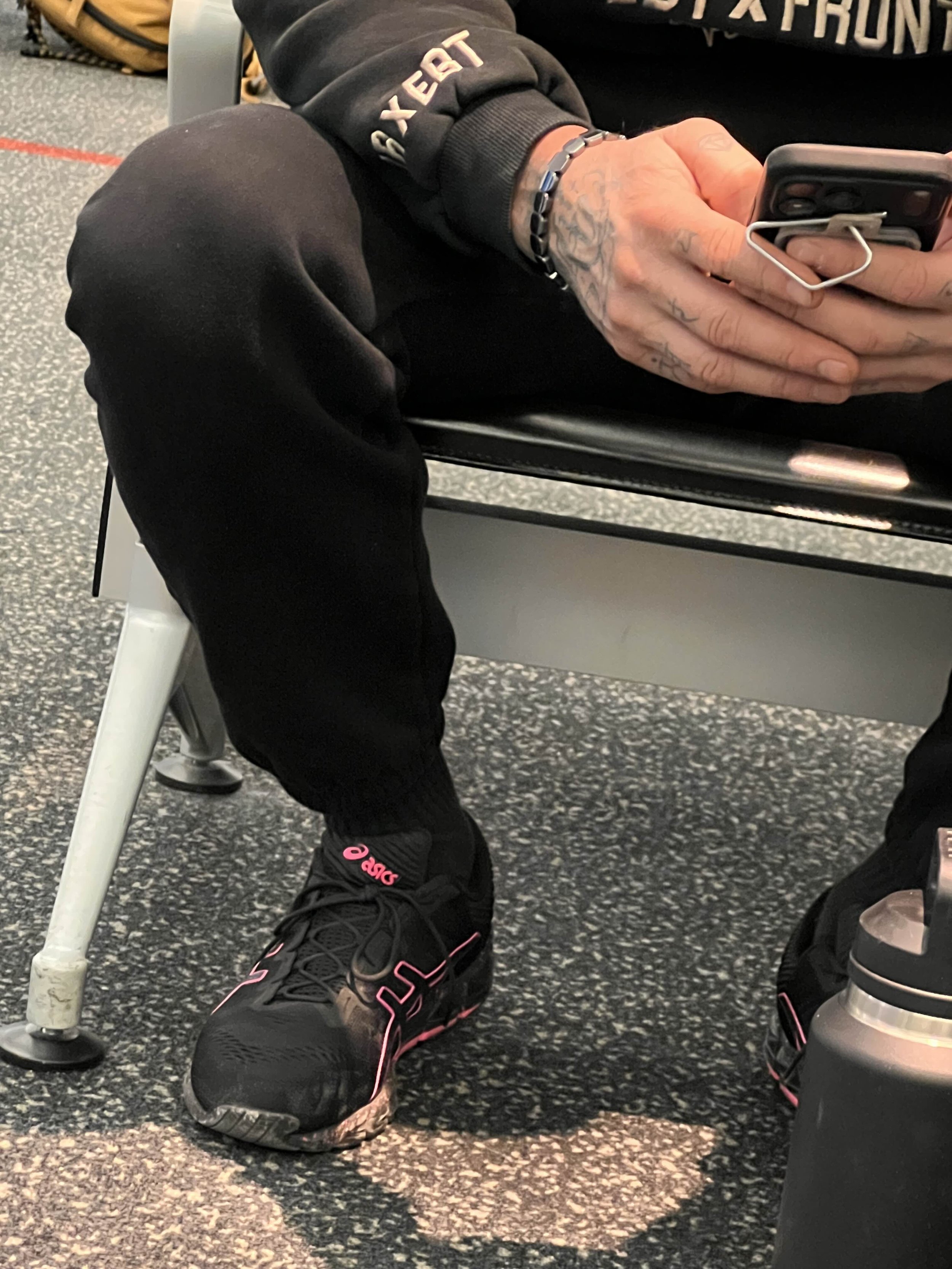
His hands are tattooed, but underneath the layers, is a far fuller covering. Including the neck. No onsen for you, pal.
The hygiene concern doesn't make a lot of sense, as part of onsen etiquette that is rigorously obeyed is scrubbing yourself clean before entering the baths. The other rules are simply about keeping the water immaculately clean.
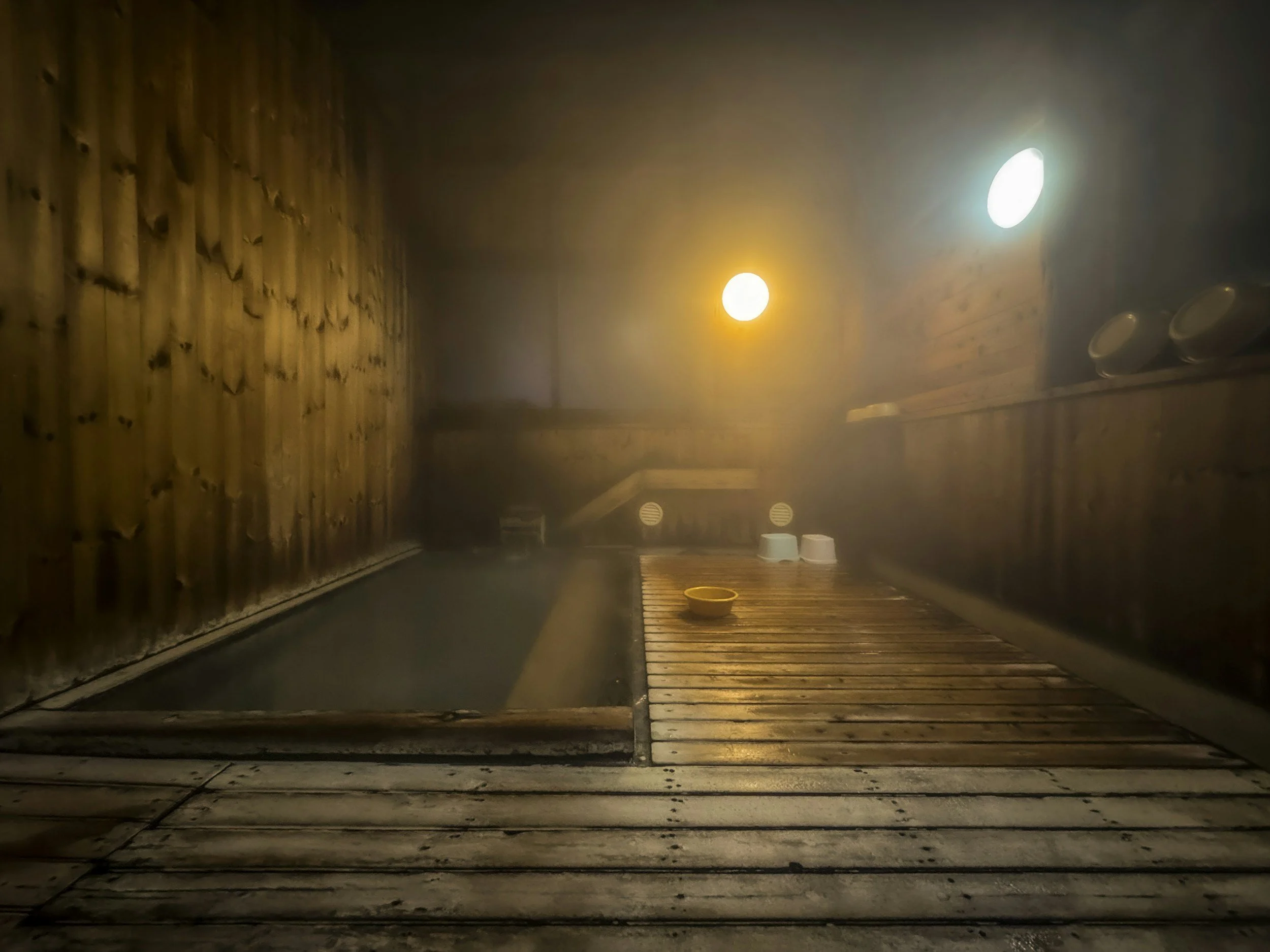
Onsen is not about washing (in the bath) nor is it about socialising with your friends. It a highly personal, meditative experience. A connection of your body with nature and a distraction free environment. Tattoos are likely to be more repelled at places where the waters are spiritual or culturally significant.
I have never had the desire to be inked at any period in my life. Not even a W on each butt cheek. On the very rare occasion, I see a tattoo that works. One that truly suits the individual. This is purely an aesthetic thing; it's seeing an appealing person with markings that accentuates that attractiveness even more.
For me, only those who have tattoos with highly personal significance, ones that have been deeply considered and beautifully realised, count. Others who just ink themselves to be one of the "bros", part of the tribe and all that, I find that a bit sad. Once the ink has long dried, a person and their tastes can change. Their life evolves. The ink remains.
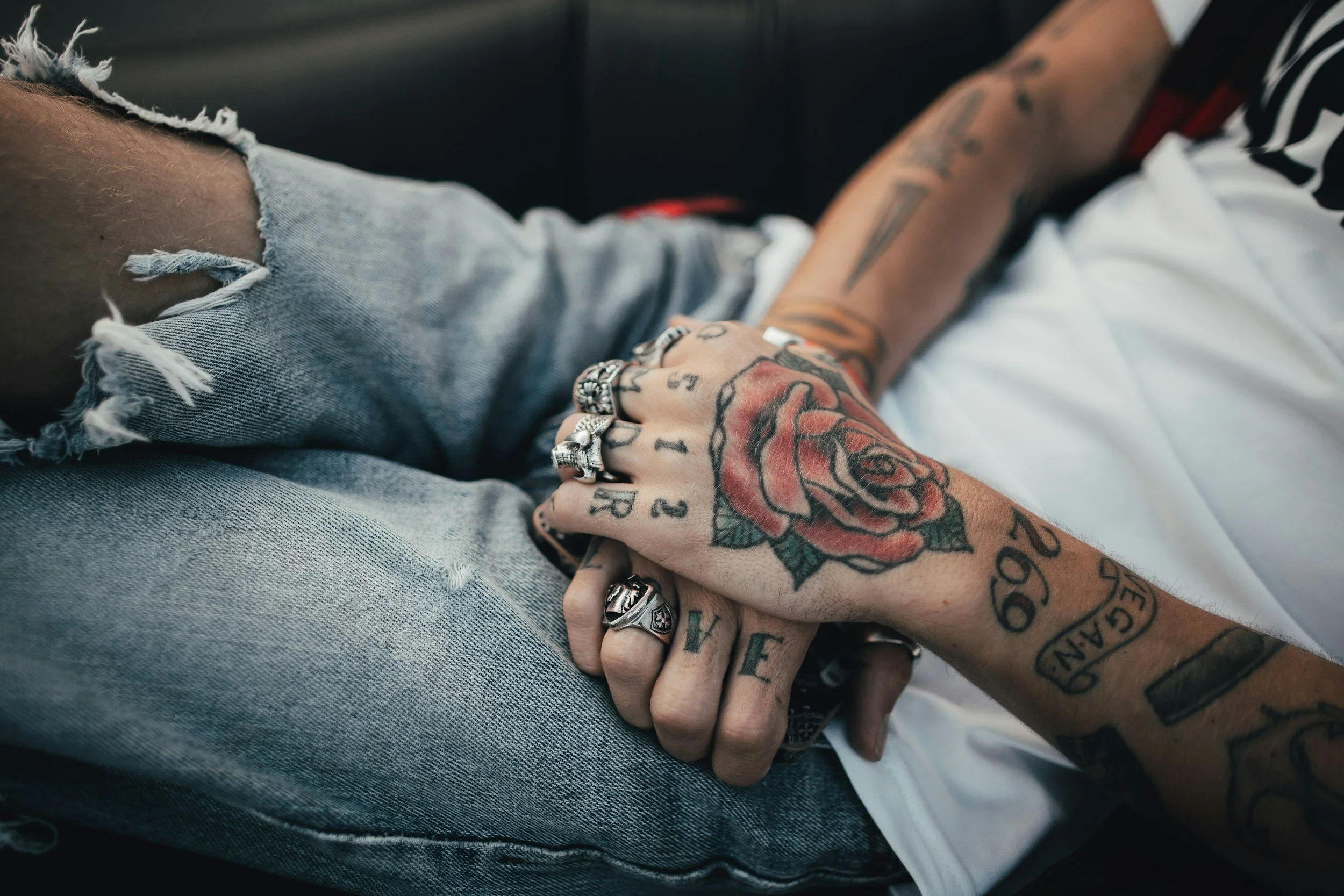
This heavily inked person is also Vegan. In case you were wondering.
I feel so deeply about the onsen experience, that if I couldn’t partake, I would feel an enormous loss. Those poor souls who cannot enjoy the ritual and who face negativity due to their ink are seriously missing out.
I will be back in Japan in November, just as the leaves have turned their gorgeous orange, red and yellow hues and the weather is crisp and cool. I will be starting a new chapter of sorts. Onsen will be a big part of that. I have already mapped out the nearest onsen to me and my days will be bookended with the soaks that are the true elixirs of life. I just can't wait.
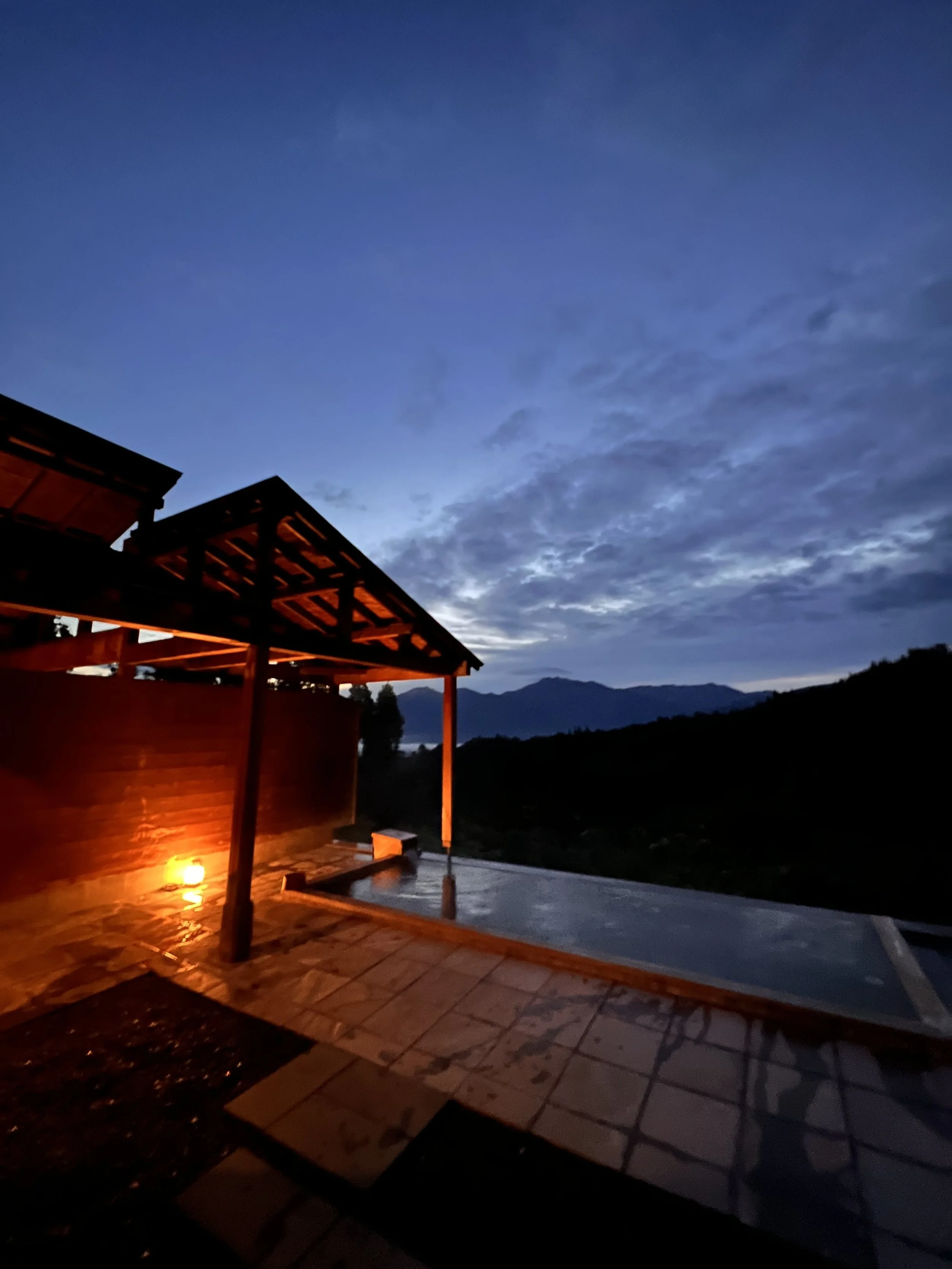
Dramatic outdoor onsen at dawn, Satoyamo Jujo, Niigata